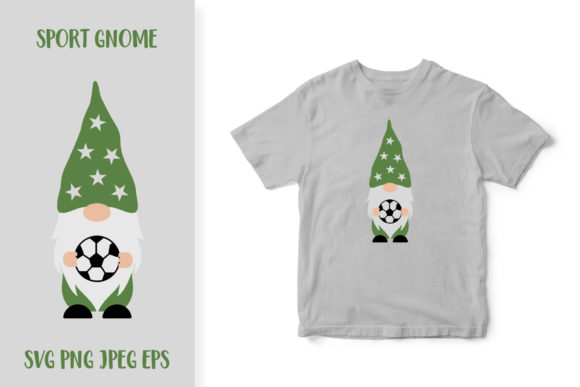
Sport Gnome Holding Soccer Ball Graphics & Illustrations
When a new graphic design asset lands in my inbox, I always test it against the same question: will this actually make a blog post, newsletter, or digital product look more intentional and clickable? The Sport Gnome Holding Soccer Ball illustration immediately passed that visual test. It’s a clean, playful vector character that feels built for modern content publishing — not just a craft room cut file, but a genuine editorial-friendly image that can do real work across a website, social media feeds, and downloadable resources.
Right away, the asset creates a light, energetic mood. The gnome’s pose is focused and cheerful, the soccer ball adds instant context, and the overall composition leaves plenty of room for headline text, call-to-action overlays, or branding elements. Instead of looking like a generic clip art piece, this illustration carries a contemporary, almost whimsical editorial style that works especially well for family-focused content, youth sports coaching blogs, event roundups, party printables, and even seasonal affiliate content. The color palette is bright without being garish, and the lines are crisp enough to hold up at multiple sizes — exactly what you need when you’re designing for both a website header and a Pinterest pin thumbnail.
From a publisher’s perspective, the file format bundle is a huge plus. You get the SVG cut file for scalable editing and Cricut projects, a high-resolution PNG with transparent background that drops straight into Canva or Photoshop, a JPEG for quick blog uploads, and a vector EPS10 for professional print work. That means you can use the same design across a blog featured image, a newsletter banner, a lead magnet cover, and even a set of custom stickers without ever losing quality. For anyone building a cohesive brand identity around a sports niche, having a single, recognizable illustration you can repurpose across channels is a subtle but powerful trust signal.
First Impressions and Editorial Mood
The Sport Gnome Holding Soccer Ball isn’t just a cute character — it’s a visual anchor that tells a reader exactly what kind of content they’re about to consume. In website design, the first 50 milliseconds of a page view are all about mood and recognition. This illustration instantly says “playful, active, family-friendly,” which is gold for a content calendar that includes soccer practice tips, kids’ party ideas, or even a weekend roundup post. The gnome’s beard adds a touch of whimsy, while the soccer ball grounds the graphic in a specific interest, making it far more useful than a generic sports icon.
I’ve seen too many bloggers rely on stock photos that feel staged or overused. A custom illustration like this one breaks that pattern. It gives the page a bespoke, editorial feel — almost as if the website hired its own illustrator. That’s exactly the kind of subtle polish that builds reader trust and keeps the bounce rate lower, because the page doesn’t look like every other template out there. Whether you’re running a lifestyle blog, a coaching resource hub, or a small business site that sells soccer-themed printables, this gnome brings a consistent, friendly voice to your visuals.
Where This Gnome Fits into a Content Publishing Workflow
Let’s talk about real publishing scenarios. I’m currently building a seasonal content series for a parenting blog, and I needed a visual that would work across multiple formats without looking repetitive. The Sport Gnome Holding Soccer Ball illustration became the connective tissue. Here’s how I mapped it into the workflow:
- Blog featured image: I placed the gnome on the left, added a bold sans-serif headline, and used a soft gradient background. The transparent PNG made layering effortless.
- Pinterest pin: I duplicated the design, resized to 1000×1500, and added a text overlay. The gnome’s cheerful expression stopped the scroll.
- Newsletter banner: I cropped a close-up of the gnome holding the ball and used it as a 600px wide header image for an email about soccer-themed snack ideas. It felt personalized, not promotional.
- Lead magnet cover: For a downloadable PDF with soccer drills for kids, I used the EPS vector to create a clean, print-ready cover. The file scaled perfectly without any pixelation.
- Social media graphics: I turned the gnome into a sticker-style accent for Instagram Stories and Facebook posts. The SVG layer was easy to recolor to match the brand palette.
This kind of multi-use flexibility is exactly what you want from a digital download you’re paying for. It’s not just a one-off image; it’s a design asset that can become part of your visual hierarchy across several content types. And because the style is consistent, every place it appears reinforces your site’s brand identity without extra effort.
How This Graphic Asset Elevates Reader Trust and Clickability
Content performance isn’t just about keywords. It’s about how quickly a visitor decides whether your page is worth their time. A well-chosen blog graphic can make the difference between a scroll-past and a click. The Sport Gnome Holding Soccer Ball works because it’s emotionally engaging but not childish. It suggests a content experience that’s fun, helpful, and put together by someone who cares about design details.
When you use this illustration as a category thumbnail, for example, you create instant visual recognition. A reader who sees the gnome on a “Soccer Fun” category page, then again on a related blog post, and again inside a digital guide, starts to associate that character with your quality content. Over time, that builds a stronger visual identity and improves click-through rates on related posts or affiliate marketing links. It’s a small touch that can significantly lift the perceived professionalism of a site, especially for small business owners and creative entrepreneurs who can’t yet afford custom illustration work.
I’ve also found that illustrations like this one perform exceptionally well in Pinterest pin designs. The gnome’s round shapes and bright colors tend to stand out in a feed dominated by photographs. Plus, the playful nature encourages saves — and a saved pin keeps driving traffic back to your blog long after the initial publish date.
Best Use Cases for Bloggers and Digital Publishers
After testing the asset in several layouts, here’s where I’d confidently use it:
- Hero images and article headers for youth sports, party planning, or seasonal content.
- Pinterest pins and social media graphics that need a fast, friendly recognition factor.
- Editorial accents within a blog post, like a small inline illustration to break up text.
- Downloadable resources such as checklists, coloring pages, or activity sheets — the SVG format is perfect for creating a printable design.
- Canva template kits: if you sell templates, you can include this gnome (with proper licensing) as a decorative element in a set of sports-themed Instagram Stories or Pinterest templates.
- Category visuals for a blog sidebar or menu grid, giving each section a unique, illustrated identity.
- Newsletter headers and lead magnet covers to make freebies feel more premium.
- Affiliate content visuals: when you’re promoting soccer gear or party supplies, this gnome can add a friendly editorial layer that softens the promotional tone.
In all these cases, the key is to treat the gnome as a design element, not just a clip art. Pair it with clean typography, leave enough white space, and let the illustration breathe. That’s how you get a modern design look without a huge budget.
When to Use Caution with This Design
Not every publishing context is right for a gnome holding a soccer ball — I’d be misleading you if I said otherwise. The asset is inherently playful, so it won’t serve a serious professional niche, a corporate finance blog, or a website that relies on a very minimal, monochromatic visual system. If your brand is all about sleek, high-contrast photography and clinical typography, this illustration will feel out of place.
Also be careful with extremely small mobile thumbnails. While the design scales well, at very tiny sizes (like 50×50 pixels in a related posts widget) the gnome’s details can blur. I recommend testing it at multiple sizes and, if necessary, using a simplified version or a zoomed crop for micro-graphics. Text-heavy blog images can also clash with the illustration if you pack too many words directly on top of it. Give the gnome its own clear space, and use text overlays only where the background allows sufficient contrast.
Finally, if your audience is primarily in a corporate, no-nonsense industry, this gnome might undermine the professionalism you’ve worked hard to build. But for family, lifestyle, party, educational, sports coaching, and creative niches, it’s a genuine asset.
Practical Publisher Tips Before You Publish
As a digital publisher, I never upload a new graphic design asset without a quick checklist. Here’s what I recommend for the Sport Gnome Holding Soccer Ball:
- Test on desktop and mobile screens: Open your blog post preview on a phone. Is the gnome still clear and inviting? Adjust padding if it feels crowded.
- Check the thumbnail version: In a blog grid or category page, the image will often appear at 300–400px wide. Make sure the gnome is still recognizable and that any overlaid text is readable.
- Preview inside a real blog layout: Don’t judge the graphic in isolation. Drop it into your actual post template, with your font stack and sidebar, to see how it integrates.
- Test with headline text: Try placing a bold serif headline, a clean sans-serif, a playful script, and a handwritten font over the image. The gnome’s style is flexible enough to support most, but you’ll want to find the combination that feels most harmonious.
- Check contrast and readability: If you use the gnome as a background element, ensure any text overlay has enough contrast. A slight dark overlay or shadow can help.
- Try it in black and white: If you ever need to print a worksheet or a journal page, a grayscale version should still hold its clarity. The SVG file lets you convert colors easily.
- Review file size for web performance: The PNG can be large; compress it with a tool like TinyPNG before uploading to your blog. The JPEG is lighter but loses transparency. For web, I prefer the optimized PNG.
- Confirm commercial licensing: Before using this gnome on a monetized website, affiliate landing page, or paid digital product, double-check the commercial license from the marketplace. Most creative marketplaces allow commercial use, but you need to be certain, especially if the asset becomes a core part of a digital product you sell.
These steps only take a few minutes, but they save you from publishing a graphic that looks unprofessional or loads slowly. They also protect you legally, which is just as important as the visual outcome.
Why This Illustration Stands Out in a Creative Marketplace
There are thousands of sports-themed graphics out there, but the Sport Gnome Holding Soccer Ball distinguishes itself with its personality. It’s not just a soccer ball icon or a generic athlete silhouette — it’s a character that tells a tiny story. That storytelling element is invaluable in content marketing. When a reader sees this gnome on a blog post, they subconsciously know the article will be friendly, engaging, and probably a little fun. It sets the right expectation before they read a single word.
For small business branding, this kind of asset can become a signature touch. Think of a local soccer academy that uses the gnome on its website header, camp flyers, and social media ads. The consistency builds a warm, approachable brand personality that stock photography often fails to deliver. Even for a digital guide or an eBook cover, the illustration adds a layer of polish that signals quality.
The fact that it’s also a fully functional SVG cut file for craft projects is a bonus. You can absolutely use it to make t-shirts, mugs, or cupcake toppers, and that versatility extends its value. But for a blogger or digital publisher, the real win is having a ready-to-use, high-quality illustration that can be dropped into a Canva template, layered onto a blog header, or printed on a worksheet without any extra design work.
Integrating the Gnome into a Long-Term Visual Strategy
One of the smartest moves a content creator can make is to build a small library of go-to design assets that define their visual world. The Sport Gnome Holding Soccer Ball fits beautifully into a larger set of themed illustrations. If you’ve already used a gnome for a gardening post or a holiday roundup, this sports version creates a subtle, recognizable thread. Readers start to feel like they’re in a curated space, not a random collection of stock images.
From an editorial design standpoint, I’ve found that mixing illustrations with photography can create a dynamic, magazine-like rhythm. You might use a photo for the main feature and sprinkle in gnome illustrations for sidebars, pull quotes, or download prompts. This breaks visual monotony and keeps the page feeling fresh. Plus, illustrations can often convey tone more effectively than a literal photo, especially for topics that are lighthearted or instructional.
For affiliate marketing content, this approach can be particularly effective. A product review post might feel salesy with only product photos, but adding a playful illustrated accent like the gnome softens the page and makes it more relatable. It’s a small design choice that can increase the time a reader spends on the page, which in turn can improve rankings and conversions.
Final Thoughts on This Sport Gnome Illustration
As a blog designer and digital publisher, I’m always looking for graphics that can do more than just fill space. The Sport Gnome Holding Soccer Ball is a practical, high-quality illustration that brings editorial charm, clear visual communication, and genuine multi-use flexibility to a content website. It’s not just a craft file — it’s a creative design tool that can elevate everything from a blog post thumbnail to a full printable design product.
If you’re in the sports, family, or party niche, this gnome can quickly become a hardworking part of your visual hierarchy. It supports stronger first impressions, better category recognition, and a more consistent brand identity across all your publishing channels. Just remember to test it in your real layouts, compress your files for web performance, and confirm your commercial license for any paid or monetized use. Do that, and you’ll have a graphic design asset that genuinely helps your content look as polished and clickable as you intended.