Evaluating Soccer Mom Life and Daughter for Embroidery Projects
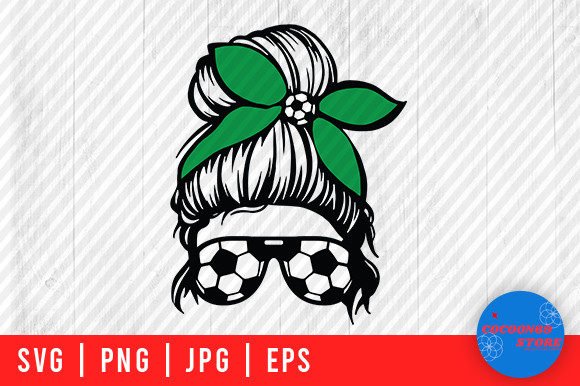
When a design lands in your library, the first question isn’t just about its quality—it’s about its soul. What mood does it carry? Where does it naturally belong? The moment I opened Soccer Mom Life and Daughter Svg, the feeling was clear: warm, relatable, and quietly celebratory. It’s not a loud, graphic shout; it’s a conversational piece. The layout, with its intertwined theme of motherhood and shared activity, has a gentle visual personality. It feels like it belongs on something worn close, or given as a personal token.
The Design’s Natural Habitat: Where This Embroidery File Thrives
This isn’t a design I’d slap onto anything. Its purpose directs its placement. I immediately pictured it on a cozy, washed-cotton sweatshirt—a personal piece for a mom, or a gift from a daughter. The theme lends itself beautifully to custom apparel meant for comfort and sentiment. A tote bag for carrying gear to the field, a well-loved apron in a kitchen that cheers from the sidelines, or a simple pillow cover in a family room—these are its natural homes.
For small business merchandise, especially in niches like boutique mom-and-child shops or Etsy seller offerings focused on personalized gifts, this design adds immediate value. It speaks directly to a shared experience, making it highly giftable. Embroidered onto a baby blanket for a sporty family or as a decorative accent on a nursery wall hanging, it becomes a keepsake. As a finished product, its appeal is in its recognition; customers see their own story in it.
Considering the Stitch: Practical Performance on Real Fabrics
Moving from concept to hoop, the practical judgment begins. The design’s detail level and shape suggest it would handle well on stable fabrics. I’d lean toward mid-weight cotton, linen, or canvas for projects like tote bags, aprons, or pillow covers. On a sweatshirt, using a solid stabilizer is key to prevent puckering on that textured, stretchy base. The potential charm of this as an embroidered patch is high—it could be beautifully finished and applied to a cap or backpack, offering versatility.
However, this is where an experienced eye pauses. Areas with potential tiny lettering or intricate corners demand attention. On very small hoop sizes, some details might lose clarity unless the original file is expertly digitized for density. I would be cautious on thin, slippery fabrics or highly textured ones where satin stitch edges might struggle. On dark fabric backgrounds, thread color contrast becomes paramount—a test on scrap fabric first is non-negotiable.
Where to Use with Care: Navigating Fabric and Scale
Not every project is a perfect fit. For Soccer Mom Life and Daughter Svg, I’d advise careful consideration on curved surfaces like caps, unless the design is simplified or adapted. The density of any fill stitch areas should be checked to avoid a stiff, bulky feel on lightweight garments. Products destined for frequent washing, like baby clothes or kitchen towels, need a robust stitch construction to maintain integrity.
The design’s visual appeal hinges on stitching clarity. A blurry or poorly rendered stitch can undermine customer trust and the handmade presentation. For craft business items, that clarity directly impacts perceived professionalism and brand consistency. Testing the design in both black and white mockups, and comparing its appearance on light and dark fabric backgrounds digitally, is a prudent step before committing thread and time.
The Embroidery Designer’s Checklist Before Hooping
My process for a design like this always involves a practical rundown. First, I’d confirm the actual hoop size required by the embroidery file itself, as the provided description lists formats but not specific embroidery parameters. Checking stitch density in my software preview is essential to avoid surprises with dense areas. I’d inspect the small details closely—are the lines clean for a running stitch, are the shapes open enough for a smooth satin stitch?
Thread color selection is more than aesthetic; it’s about contrast and readability on the final fabric. Using proper stabilizer for the chosen substrate is a basic step that can’t be skipped. Crucially, I would verify the licensing terms of this digital embroidery file—does it allow for commercial use in selling finished products like holiday gifts or small shop merchandise? The description states it’s an instant download for crafts and graphics, but confirming explicit commercial rights is a must for any business use.
From Digital File to Finished Product: Impact on Your Work
When you translate a digital embroidery file into a physical object, its success defines your next steps. A well-executed embroidery of this theme on a custom apparel item enhances product value. It feels considered and personal, which boosts buyer engagement. For a creative entrepreneur, having reliable, appealing design assets like this streamlines offering cohesive collections.
In a real-life scenario, imagine preparing a custom embroidered tote bag as a wedding gift for a mother whose daughter is getting married, or a sweatshirt for a boutique selling mom-and-me sets. The design’s inherent narrative does half the marketing work. It resonates. But the craftsmanship—the clean stitches, the appropriate fabric choice, the durable finish—turns that resonance into a tangible product that earns repeat interest.
Ultimately, Soccer Mom Life and Daughter Svg presents itself as a design asset with strong emotional appeal for specific niches. Its performance in real embroidery projects will depend heavily on the digitization quality within the files provided and the maker’s attention to fabric, technique, and context. It’s a design that asks to be used thoughtfully, on projects where its story can be stitched faithfully, creating not just a decoration, but a conversation piece.